
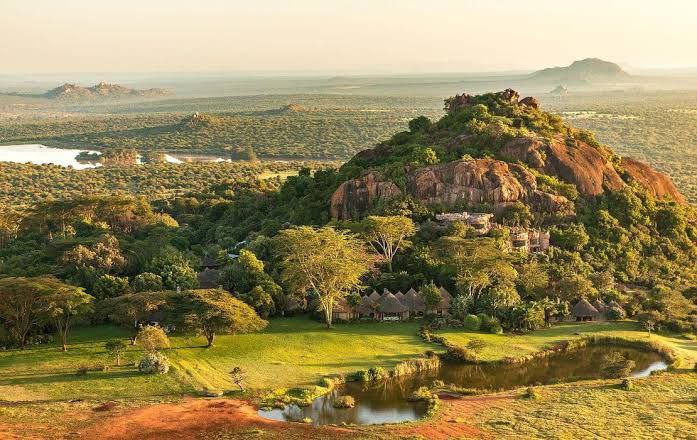
Maasai Mara National Reserve is not just a famous safari destination—it is a land where nature and culture intertwine to create some of the most awe-inspiring experiences in Africa. The reserve is world-renowned for its abundant wildlife, stunning landscapes, and rich Maasai culture. Here, we’ll take a deep dive into the Maasai Mara and uncover what makes it such a coveted destination for travelers.
1. Geography and Wildlife of the Maasai Mara
Covering about 1,510 square kilometers of open grasslands, acacia forests, and riverine ecosystems, the Maasai Mara is situated in southwestern Kenya. It forms part of the larger Serengeti-Mara ecosystem, allowing for an open migration corridor for wildlife. Its landscapes are defined by the sprawling savannahs and the winding Mara River—the lifeblood of the reserve.
The Mara is home to more than 95 species of mammals, reptiles, and amphibians and over 570 bird species. Its most notable residents include the Big Five—lions, elephants, buffalo, leopards, and rhinos. Among these, the Maasai Mara is particularly known for its big cat populations. It is common to witness lion prides with cubs, elusive leopards resting in trees, and cheetahs hunting on the plains.
2. The Great Migration: A Bucket List Experience
Perhaps the most famous wildlife event on earth, the Great Migration takes place between July and October, when over 1.5 million wildebeest, 200,000 zebras, and hundreds of thousands of gazelles move across the Serengeti into the Maasai Mara in search of greener pastures.
The highlight of the migration is the Mara River crossing—a dramatic event where herds of animals plunge into the crocodile-infested waters. Crocodiles lie in wait, and the chaos that ensues as animals try to navigate the river is one of nature’s most powerful spectacles. Timing your visit around this event is essential, with the months of August and September providing the best chances to witness the crossings.
3. Top Areas and Attractions within the Maasai Mara
- Mara Triangle: This western part of the Mara is known for its lower visitor density, making it ideal for travelers who prefer a quieter experience. It boasts excellent wildlife viewing throughout the year and is a prime spot during the migration season. The Mara Triangle’s rolling hills provide dramatic scenery, while the Mara River serves as a hotspot for river crossings.
- Musiara Marsh: This area is renowned for its big cat sightings, especially lions and cheetahs. The marsh’s location near permanent water sources makes it a haven for herbivores, which in turn attract predators. It’s a fantastic location for photographers looking to capture dramatic hunting scenes.
- Talek River Region: Running through the heart of the Maasai Mara, the Talek River is a great spot for wildlife viewing. Many camps are located along the river, offering guests the chance to view elephants, giraffes, and buffaloes from the comfort of their tents.
- Oloololo Escarpment: This scenic ridge offers breathtaking views of the Mara’s expansive plains. The area is also ideal for walking safaris and is a great spot for sundowner excursions, where you can enjoy a drink while watching the sunset over the reserve.
- Mara River: In addition to the migration, the Mara River is home to large populations of hippos and crocodiles, which can be seen lounging on the banks or lurking in the water. River-based game drives around the Mara River often yield fantastic sightings of these aquatic animals alongside other wildlife.
4. Top Camps and Lodges in Maasai Mara
For the perfect safari experience, selecting the right accommodation is key. The Maasai Mara offers a wide variety of lodges and camps, from luxury to mid-range, all offering unparalleled wildlife access and comfort.
- Angama Mara: Perched on the Oloololo Escarpment, Angama Mara is one of the most luxurious camps in Kenya, offering sweeping views of the reserve. The lodge’s design was inspired by the film Out of Africa, and its elevated location provides uninterrupted vistas of the savannah below.
- Governors’ Camp: Located along the Mara River, this camp offers prime positioning for wildlife viewing, with animals often wandering close by. Governors’ Camp has a rich history and is known for its relaxed atmosphere and proximity to the Mara’s best wildlife areas.
- Kichwa Tembo: Set in a private concession area on the northwestern border of the Mara, Kichwa Tembo offers stylish accommodations and excellent service. Its remote location ensures privacy while maintaining access to key wildlife viewing spots, including the Mara River.
- Little Governors’ Camp: With just 17 luxury tents, Little Governors’ Camp offers an intimate experience. It’s located around a small waterhole frequented by animals, ensuring constant wildlife viewing, even when you’re not on a game drive.
- Mara Serena Safari Lodge: Built high on a hill overlooking the Mara, this lodge offers panoramic views and is a short drive from the Mara Triangle and Mara River, making it an ideal base for witnessing the Great Migration.
5. Activities in the Maasai Mara
The Mara offers more than just game drives. The variety of activities allows visitors to immerse themselves fully in the magic of the savannah:
- Game Drives: The primary activity in the Maasai Mara, game drives are offered twice daily—early morning and late afternoon. Drives in the Mara are spectacular due to the abundance of wildlife, and experienced guides provide insight into the animal behaviors and the ecosystem.
- Hot Air Balloon Safaris: Floating above the Mara at dawn in a hot air balloon is an otherworldly experience. As the sun rises, you’ll get a bird’s-eye view of the wildlife below, often spotting herds of elephants or witnessing a lion pride on the hunt. The balloon ride ends with a champagne breakfast in the bush.
- Walking Safaris: For a more intimate encounter with the African wilderness, join a walking safari with an experienced Maasai guide. Walking in the bush allows you to focus on the smaller, often-overlooked details of the ecosystem, such as tracks, plants, and insects.
- Night Drives: While night drives are not allowed in the main reserve, they are possible in the private conservancies that border the Mara. This activity offers the chance to see nocturnal creatures such as leopards, aardvarks, and bush babies.
- Cultural Visits: Engage with the local Maasai community by visiting a Maasai village. Here, you’ll learn about the traditional Maasai way of life, from their beadwork and attire to their traditional songs and dances.
- Photographic Safaris: The Mara is a photographer’s dream, and many camps offer specialized photography safaris led by professional photographers. These safaris focus on getting the best angles and lighting to capture the action-packed wildlife scenes.
6. When to Visit the Maasai Mara
The Maasai Mara is a year-round destination, but the experience can vary depending on the season:
- July to October: This is the peak season for the Great Migration, with thousands of animals crossing the Mara River. It’s also the best time for predator sightings, as lions, cheetahs, and leopards follow the herds.
- December to February: This is a great time to visit for fewer crowds and excellent game viewing, as the dry season attracts animals to the permanent water sources in the Mara.
- March to June: This is the low season due to the rains, but it’s also when the landscape is lush, and birdlife is abundant. Prices tend to be lower during this period, making it a great time for a more affordable safari.
Final Thoughts
The Maasai Mara offers an unmatched combination of wildlife, culture, and scenic beauty, making it one of the best safari destinations in the world. Whether you’re witnessing the Great Migration, floating above the plains in a hot air balloon, or walking through the savannah on a guided safari, every moment in the Maasai Mara is a profound connection to nature. By choosing Mt. Kenya Hiking and Safaris as your guide, you can ensure a well-curated experience that will provide memories to last a lifetime. Book your safari today and embark on the adventure of a lifetime!

