
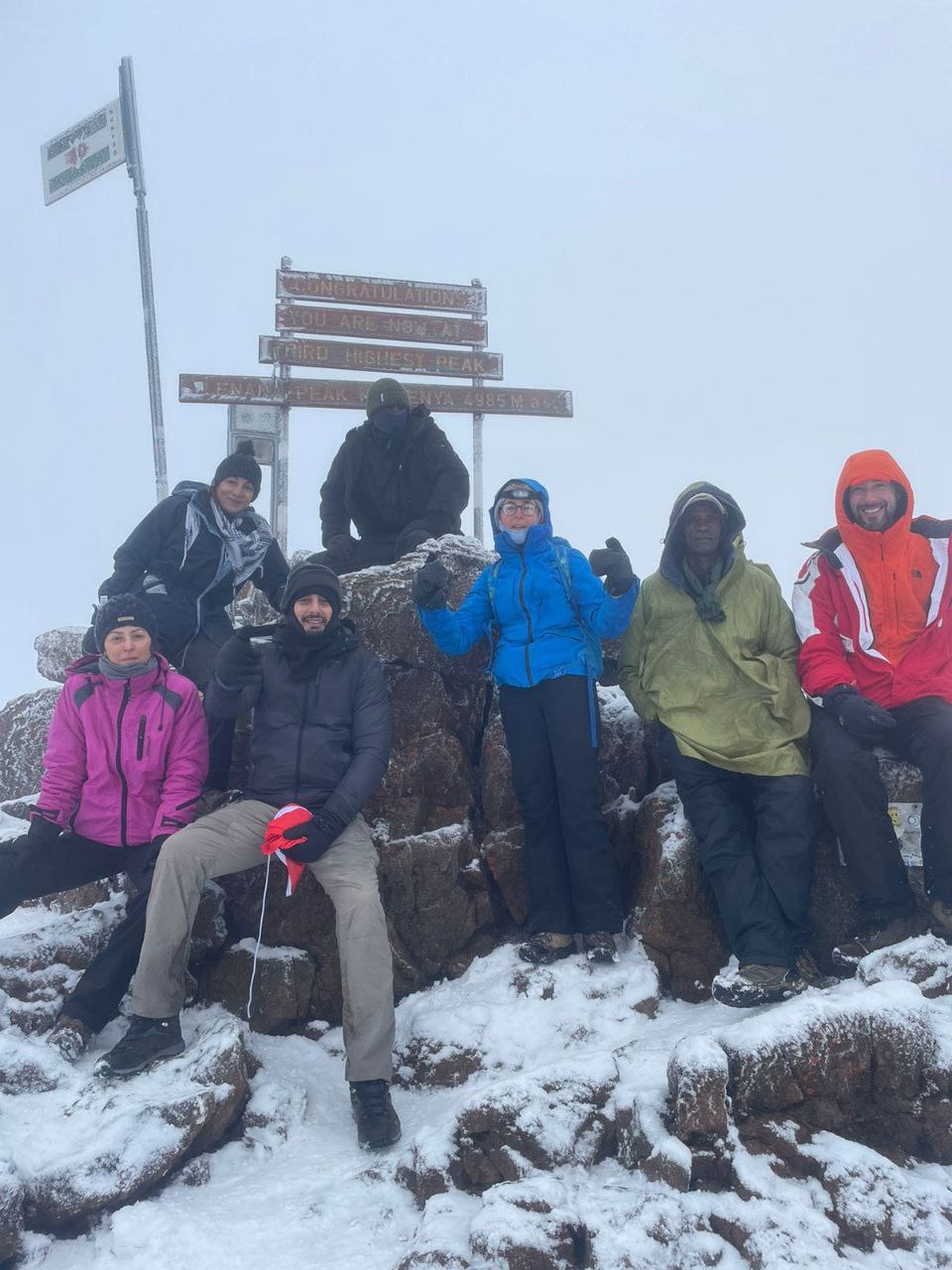
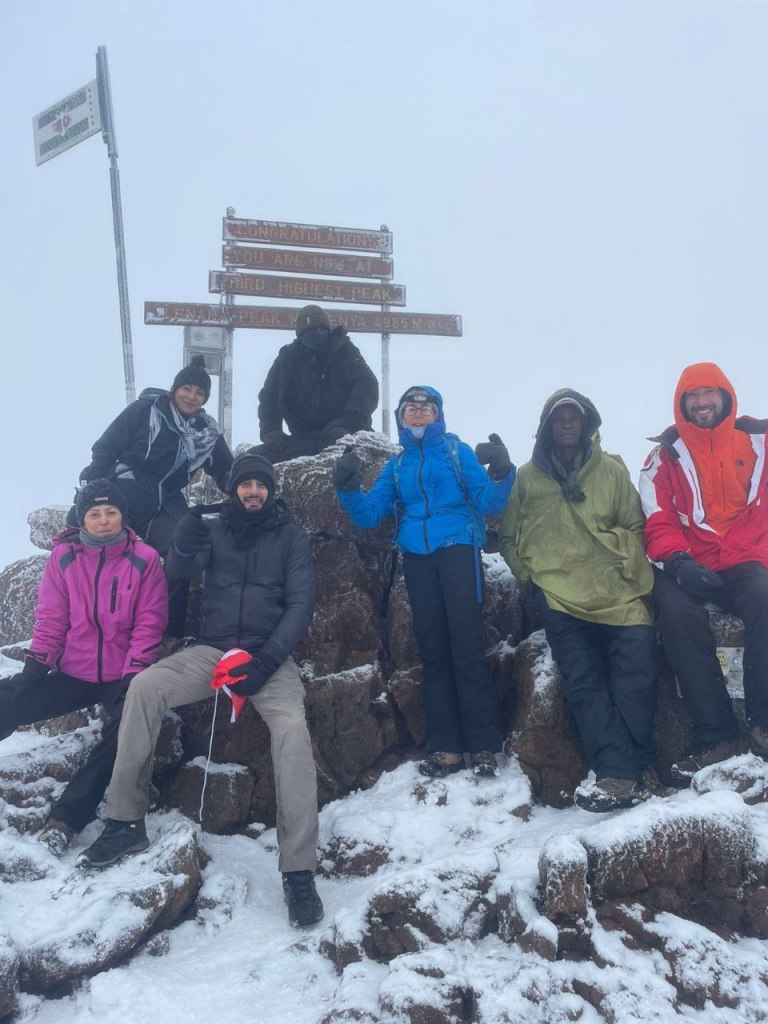
Mount Kenya, Africa’s second-highest peak after Mount Kilimanjaro, stands as a symbol of adventure, natural beauty, and cultural heritage. Located in central Kenya, this iconic mountain offers everything from rugged climbing expeditions to awe-inspiring views of glaciers, pristine lakes, diverse wildlife, and ancient forests. Whether you’re a seasoned climber, a nature enthusiast, or a curious traveler, Mount Kenya promises an unforgettable experience. Here’s everything you need to know about this remarkable destination.
A Glimpse into Mount Kenya’s Majesty
Rising to 5,199 meters (17,057 feet), Mount Kenya is an extinct stratovolcano that was formed about three million years ago during the Pleistocene epoch. It is part of the Mount Kenya National Park, a UNESCO World Heritage Site and a biosphere reserve. The park covers an area of about 715 square kilometers, with the mountain’s jagged peaks, including Batian, Nelion, and Lenana, providing a stunning backdrop to the diverse landscape.
Mount Kenya’s glaciers, once more extensive, have been receding over the years due to climate change, adding urgency to the need to experience this majestic mountain. The mountain serves as an important water source, feeding the Tana River, Kenya’s longest river, and supporting surrounding agriculture and communities.
The Myth and Mystery of Mount Kenya
Mount Kenya holds deep cultural significance for the Kikuyu people, who regard it as the home of their god, Ngai. According to legend, Ngai created the mountain as his earthly dwelling place, and its peaks were seen as sacred grounds. The Kikuyu named the mountain Kirinyaga, meaning “Mountain of Whiteness” because of its snow-covered peaks.
For centuries, the mountain has inspired wonder and respect, and today it remains a revered site both for its spiritual and natural qualities.
Mount Kenya Routes: Choose Your Adventure
Mount Kenya offers several trekking routes, each with its unique challenges and rewards. Here’s a breakdown of the most popular routes:
- Sirimon Route: The most popular and beginner-friendly route, Sirimon is perfect for those who want to enjoy gradual acclimatization. Starting from the northwestern side, the route takes you through a beautiful forest, moorlands, and dramatic views of the peaks.
- Naro Moru Route: Known for being the quickest ascent to Point Lenana, this route is popular with experienced climbers. It’s also famous for the vertical bog – a challenging section of the trail where trekkers must navigate through a marshy, steep area.
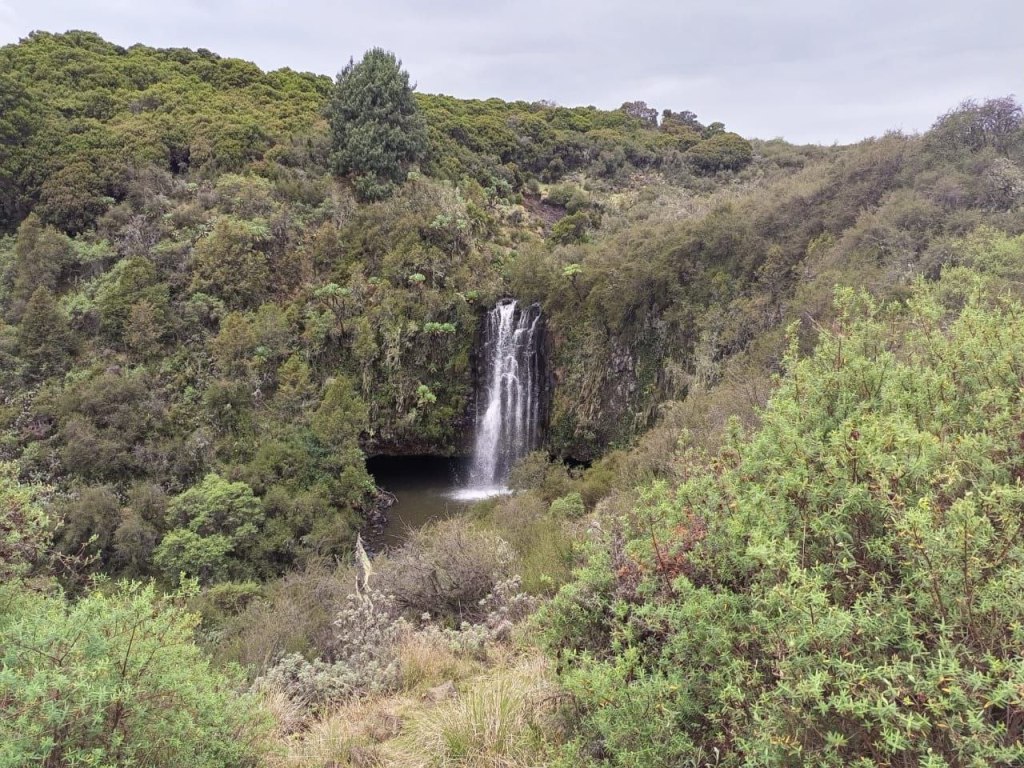
- Chogoria Route: Considered the most scenic route, Chogoria offers breathtaking views of valleys, waterfalls, and the Gorges Valley. It’s less traveled, making it ideal for those seeking solitude and unspoiled beauty.
- Burguret Route: A remote and lesser-known route, Burguret is for the adventurous. It takes you through dense forest and bamboo zones, offering a chance to see wildlife. However, it’s a challenging and overgrown path that requires a guide.
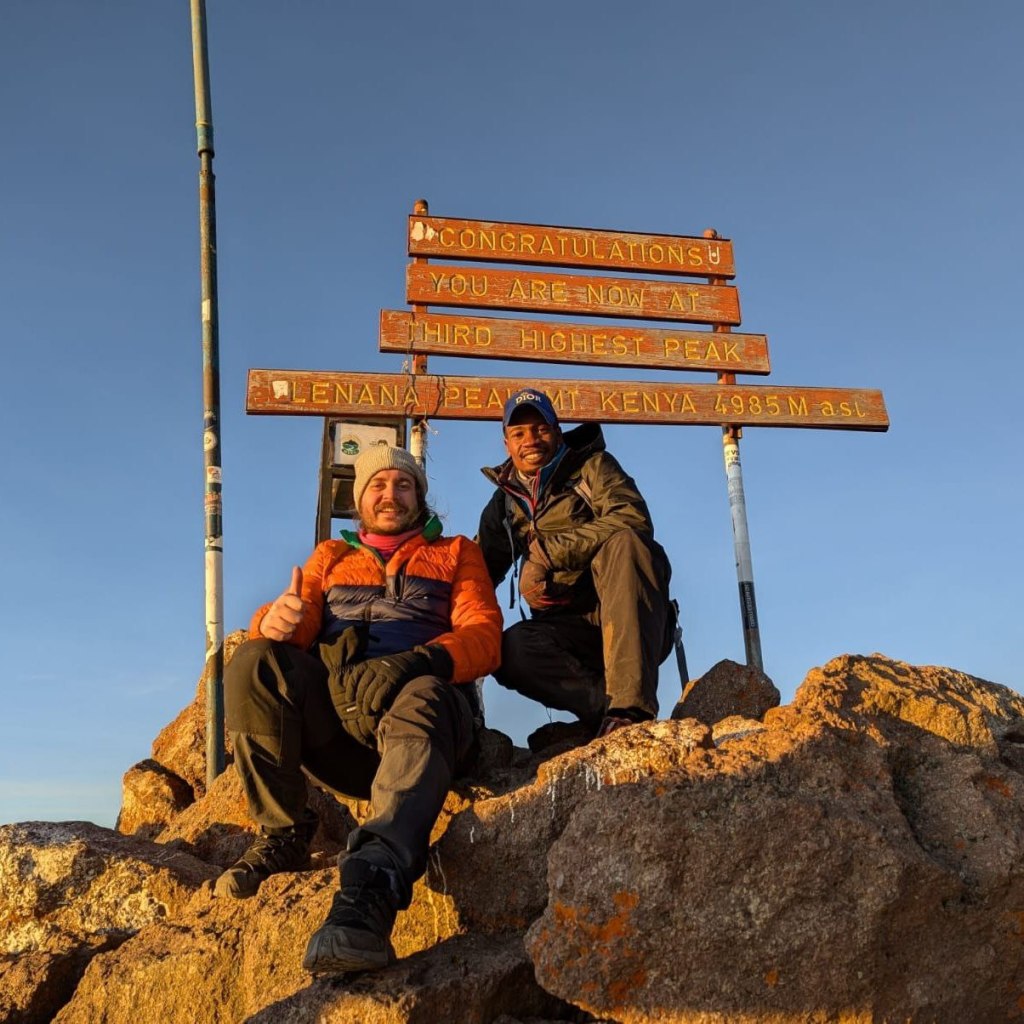
Each route leads to Point Lenana (4,985 meters), the most accessible peak for trekkers. For more technical climbers, Batian and Nelion require rock climbing skills and equipment.
Flora and Fauna: A Biodiversity Hotspot
Mount Kenya’s varying altitudes and ecosystems make it a biodiversity haven. The lower slopes are covered in dense forests, home to giant bamboo, towering cedar trees, and the endemic lobelia and groundsel plants. As you ascend, the landscape shifts from rainforest to heathland and alpine desert, creating an otherworldly scene dotted with unique plant species that have adapted to the high altitude.
The wildlife on Mount Kenya is equally diverse. Elephants, buffalo, and antelope roam the lower forests, while hyenas, leopards, and the rare bongo antelope can also be spotted. Birdwatchers will delight in the 130 bird species found here, including sunbirds, eagles, and the endangered Abbott’s starling.
Fun Facts about Mount Kenya
- Mount Kenya is one of only a few places in the world with glaciers located along the equator. However, the glaciers are shrinking due to global warming, and experts predict they may vanish within a few decades.
- The Mount Kenya National Park was established in 1949 to protect the mountain’s wildlife and ecosystems.
- Mount Kenya’s peaks were first climbed by Sir Halford Mackinder in 1899, marking the beginning of its modern-day mountaineering allure.
- The mountain’s higher slopes experience both tropical and arctic weather conditions, making it one of the most unique climates on the planet.
Activities on and Around Mount Kenya
Mount Kenya is a paradise for outdoor enthusiasts. From mountaineering and trekking to wildlife safaris and rock climbing, there’s no shortage of activities to enjoy.
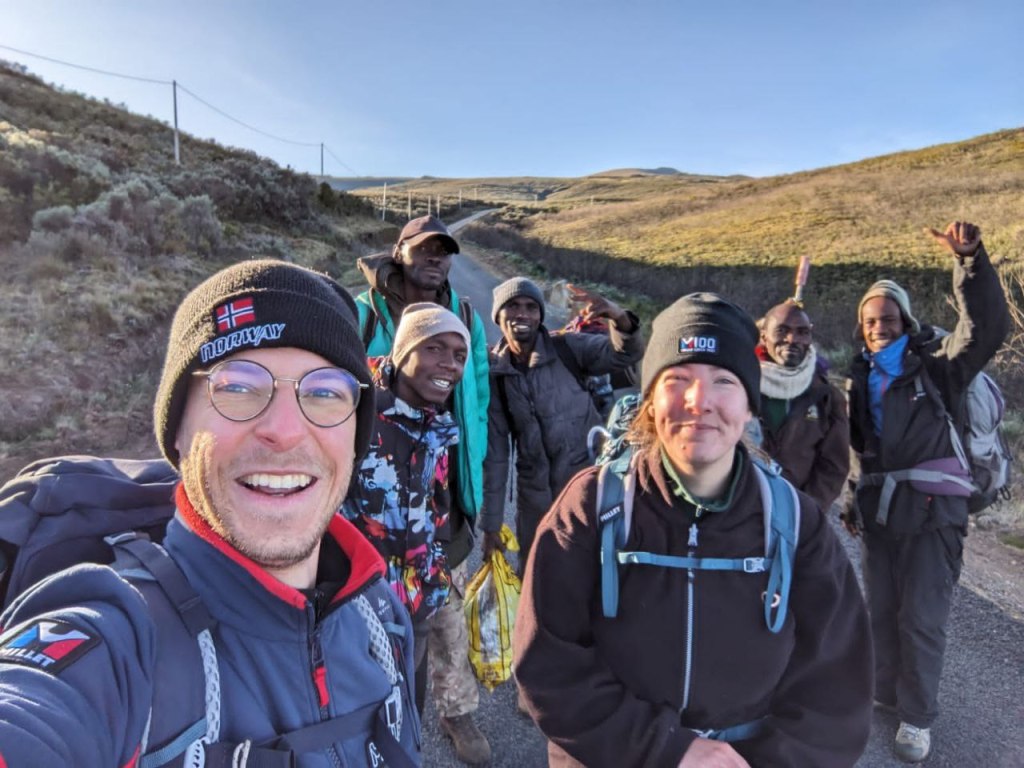
- Trekking and Mountaineering: Whether you’re aiming for Point Lenana or one of the more technical peaks like Batian or Nelion, trekking on Mount Kenya is a physically rewarding adventure. It typically takes 4-5 days to reach Point Lenana, depending on the route.
- Rock Climbing: The technical routes to Batian and Nelion are world-renowned for rock climbers. Nelion, standing at 5,188 meters, is the most popular technical climb, offering incredible challenges for seasoned climbers. The Mountain Club of Kenya provides climbing tips and support for those looking to take on these peaks.
- Safaris and Wildlife Watching: The lower forests and moorlands of Mount Kenya offer fantastic opportunities for wildlife spotting. Visitors can enjoy safaris to see elephants, buffalo, and rare species like the giant forest hog or the elusive bongo antelope.
- Camping: There are several camping sites within Mount Kenya National Park where you can immerse yourself in the tranquility of nature. Camping under the stars with the peaks in view is an unforgettable experience.
Conservation Efforts
Mount Kenya faces numerous threats, including deforestation, climate change, and human encroachment. Several organizations, such as the Mount Kenya Trust and the Kenya Wildlife Service (KWS), are working tirelessly to conserve the mountain’s ecosystems. Efforts include reforestation projects, wildlife protection programs, and community initiatives to promote sustainable tourism and farming practices.
Best Time to Visit Mount Kenya
The best time to trek Mount Kenya is during the dry seasons: January to February and July to September. These months offer the most favorable weather conditions for hiking, with clear skies and less chance of rain. The rainy seasons, from March to June and October to December, can make trekking difficult due to muddy trails and fog.
Tips for Your Mount Kenya Adventure
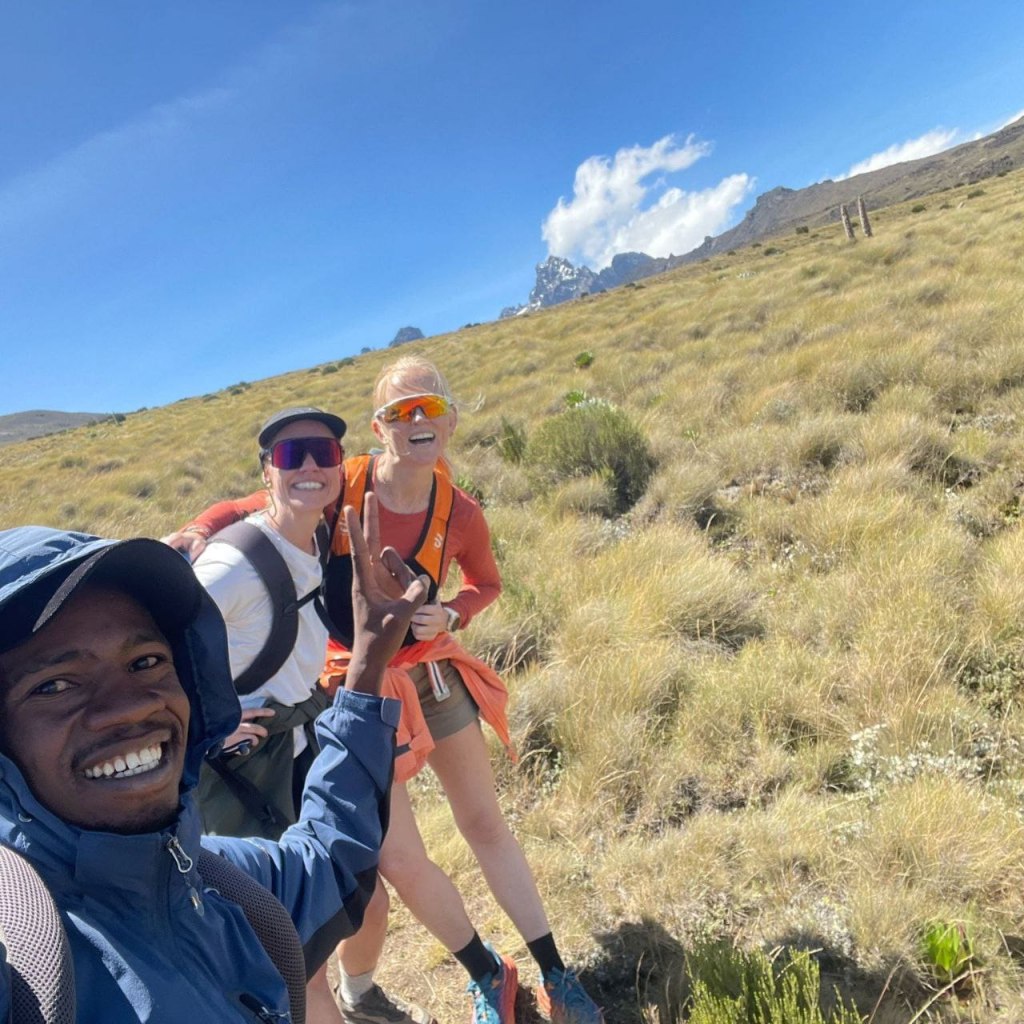
- Acclimatization is Key: Give yourself enough time to adjust to the altitude to avoid altitude sickness. Slow and steady trekking is essential.
- Hire a Guide: Whether trekking or climbing, it’s always recommended to hire a licensed guide. Not only will they help with navigation, but they’ll also enhance your experience with insights into the mountain’s history and ecosystems.
- Pack for All Weather: Mount Kenya’s weather can change rapidly. Be prepared with layered clothing, waterproof gear, and sturdy boots.
- Stay Hydrated: Dehydration can worsen altitude sickness, so ensure you’re drinking plenty of water throughout your climb.
Mount Kenya is more than just a mountain; it’s a testament to Kenya’s natural beauty and cultural heritage. Whether you’re exploring its diverse ecosystems, trekking to its snowy peaks, or simply gazing at its towering majesty, Mount Kenya offers an experience like no other. With its rich history, biodiversity, and breathtaking landscapes, it remains a bucket-list destination for adventurers and nature lovers alike. Embrace the challenge, discover the magic, and let Mount Kenya inspire your next great adventure!

